#512 - Andrew Kobylinski, Co-Founder & CEO at Primary.Health

Slice of Healthcare Team
07/23/2025


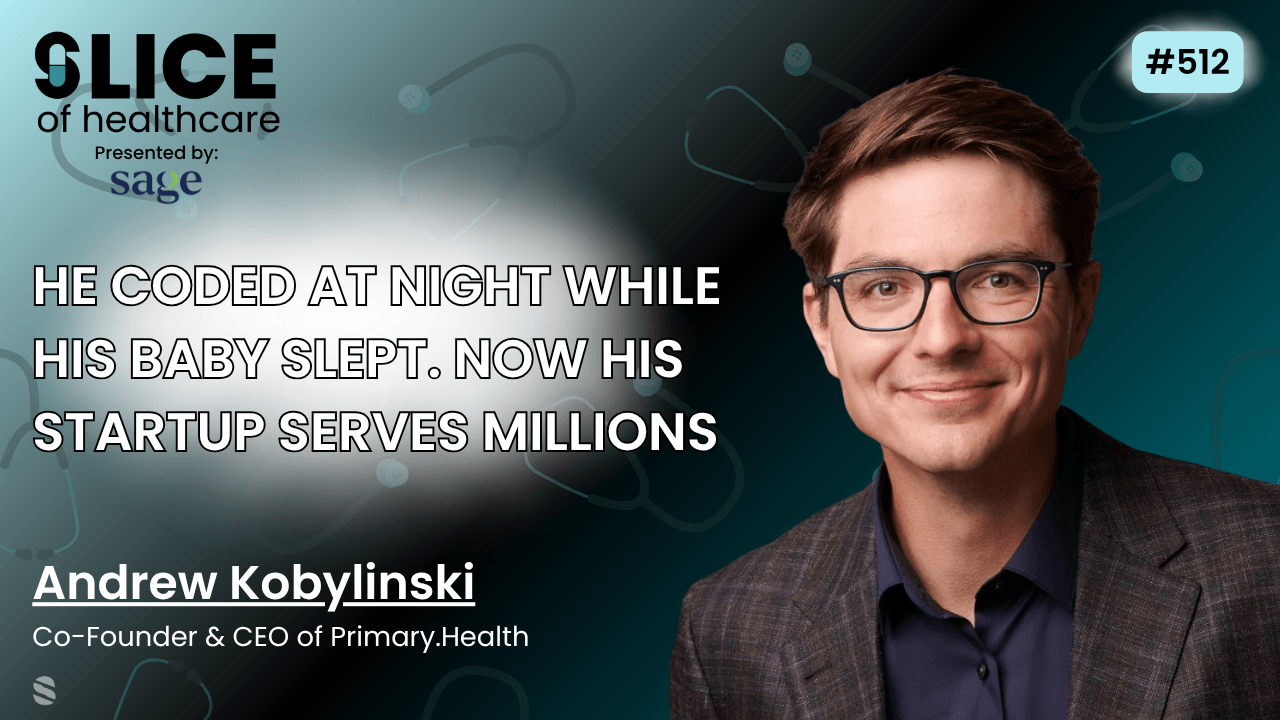
Guest
Episode details
Join us on the latest episode, hosted by Jared S. Taylor!
Our Guest: Andrew Kobylinski, Co-Founder & CEO at Primary.Health.
What you’ll get out of this episode:
- Andrew Kobylinski, CEO & Co-Founder, shares the accidental founding and mission of Primary.Health
- Public health’s digital gaps: why so much work is still done on paper, and how Primary.Health is solving it
- Challenges of funding and innovation in public health, and advice for investors
- Lessons from bootstrapping a $120M+ public health company without VC funding
- The future: collaboration between public and private sectors to reach underserved communities
Watch
Listen
Read More
Introducing Andrew Kobylinski & Primary.Health
Andrew Kobylinski, CEO and co-founder of Primary.Health, never intended to start a company. With a background in digital health and engineering roles at Healthline Networks and BetterDoctor, Andrew entered public health as a volunteer during the COVID-19 pandemic, helping UCSF doctors build digital testing infrastructure. What began as late-night coding sessions with a few volunteers turned into Primary.Health—a company born out of necessity, now dedicated to fixing public health’s most foundational, overlooked problems.
The Public Health Innovation Gap
Primary.Health operates in an “untapped market of very simple problems and workflow issues that need to be solved.” Andrew points out that despite advances in technology, much of public health still relies on manual, paper-based processes. The lack of innovation is driven by two main factors: a dearth of VC-backed startups focused on public health, and restrictive grant language that slows the adoption of new tech. As a result, Primary.Health is one of the few companies deploying proven technologies like OCR and AI to streamline public health operations.
Why Public Health Gets Overlooked by Investors
According to Andrew, few investors truly understand the complexities of public health, which sits at the intersection of government, healthcare, and insurance. The market is complicated, heavily regulated, and fragmented—making it challenging for startups to pitch and scale. Investors are advised to “take some risks” and get involved directly to learn, especially as the needs for public-private partnerships grow. With public health budgets under pressure and an increasing reliance on retail health for vaccines and other services, bridging public and private approaches has never been more relevant.
Bootstrapping to Scale—Lessons from $120M+ in Revenue
In an era where most startups chase VC funding, Primary.Health took a different path. “We never really had time to do the traditional road show,” Andrew explains. The urgent demands of the pandemic meant focusing on building and serving clients—leading to client-funded growth instead of investor-driven expansion. Since 2020, Primary.Health has generated over $120 million in revenue and scaled to 200 employees at its peak, all without raising venture capital. The lesson: client-funded growth can be a powerful alternative to VC, especially in markets where investors are slow to understand the opportunity.
Looking Ahead: Collaboration for Impact
As public health faces shifting vaccine policies and reduced resources, Andrew sees the future in greater collaboration between public agencies and private partners. Primary.Health is actively working with community organizations—such as churches where 40% of congregants haven’t seen a primary care provider in a decade—to deliver critical health services. The call to action: public and private sectors must come together, share platforms, and adapt to new models in order to bring preventative care to the populations that need it most.